


聯(lián)系我們
- 聯(lián)系人:濟南燕翔鐵藝制品有限公司
- 手機:15953126901
- 電話:15153196527
- 郵箱:785385551@qq.com
- 地址:濟南市天橋區(qū)歷山北路黃臺不銹鋼市場3區(qū)317

鐵藝護欄安裝避坑:1個關鍵細節(jié),徹底解決晃動難題,牢固又安全
鐵藝護欄安裝避坑:1個關鍵細節(jié),徹底解決晃動難題,牢固又安全
Installation of wrought iron guardrails to avoid pitfalls: 1 key detail to completely solve the problem of shaking, firm and safe
很多人安裝鐵藝護欄時,都會遇到一個頭疼的問題:護欄裝完后輕輕一推就晃動,尤其是高度較高的護欄(比如2.4米/片,中間還加裝立柱的款式),晃動起來不僅影響美觀,更存在極大的安全隱患。其實,鐵藝護欄晃動,大多不是護欄本身質量問題,而是安裝時忽略了一個關鍵小細節(jié)——立柱固定的先后順序。今天就結合常見的安裝誤區(qū),詳細拆解鐵藝護欄的正確安裝方法,教大家避開坑位,裝出牢固又安全的護欄,新手也能輕松上手。
Many people encounter a headache when installing wrought iron guardrails: after the guardrail is installed, it sways with a gentle push, especially for taller guardrails (such as those with 2.4 meters/piece and a column in the middle). Shaking not only affects the appearance, but also poses a great safety hazard. In fact, the shaking of wrought iron guardrails is mostly not due to the quality of the guardrails themselves, but rather the neglect of a key detail during installation - the order in which the columns are fixed. Today, based on common installation misconceptions, we will provide a detailed breakdown of the correct installation method for wrought iron guardrails. We will teach everyone how to avoid pitfalls and install sturdy and safe guardrails, making it easy for beginners to get started.
先說說大家最常踩的安裝誤區(qū),也是導致護欄晃動的核心原因。很多安裝師傅圖省事,安裝立柱時,會先用水鉆在地面打好孔,直接把立柱塞進孔里,再往孔里填滿水泥。看似操作簡單,實則隱患重重:鐵藝護欄的立柱大多是空心結構,先塞立柱再填水泥,水泥只能填充立柱與孔壁之間的縫隙,無法進入空心立柱內部,僅靠周邊的水泥固定,根本無法支撐護欄的重量,尤其是2.4米高的護欄,受力后很容易出現(xiàn)晃動,時間久了甚至可能松動、傾倒。
First, let's talk about the most common installation mistake that everyone steps on, which is also the core reason for the shaking of guardrails. Many installation technicians try to save time. When installing columns, they first use a water drill to drill holes on the ground, directly insert the columns into the holes, and then fill the holes with cement. Although it may seem simple to operate, there are actually many hidden dangers: the columns of wrought iron guardrails are mostly hollow structures, and the columns are first filled with cement. Cement can only fill the gap between the columns and the hole wall, and cannot enter the interior of the hollow columns. It is impossible to support the weight of the guardrail solely by fixing it with the surrounding cement, especially for the 2.4-meter-high guardrail, which is prone to shaking under force and may even loosen or tilt over time.
其實,解決護欄晃動的方法很簡單,只需顛倒一下立柱和水泥的安裝順序,記住一句話:先填水泥,再放立柱。具體操作也不復雜,第一步,根據(jù)護欄高度和立柱規(guī)格,用水鉆在預定位置鉆孔,孔徑要比立柱直徑大2-3厘米,孔深至少30厘米(高度2.4米的護欄,孔深建議加深至40厘米,增強穩(wěn)定性),鉆孔后清理孔內的碎石和灰塵,避免影響水泥粘合度。
In fact, the method to solve the problem of guardrail shaking is very simple. Just reverse the installation order of the columns and cement, and remember one sentence: fill the cement first, and then place the columns. The specific operation is also not complicated. The first step is to use a water drill to drill holes at the predetermined position according to the height of the guardrail and the specifications of the column. The hole diameter should be 2-3 centimeters larger than the diameter of the column, and the hole depth should be at least 30 centimeters (for a guardrail with a height of 2.4 meters, it is recommended to deepen the hole depth to 40 centimeters to enhance stability). After drilling, clean the gravel and dust in the hole to avoid affecting the cement adhesion.
第二步,調配水泥砂漿,建議選用425#普通硅酸鹽水泥,按照水泥、沙子1:3的比例調配,攪拌均勻后,先將水泥砂漿填滿鉆孔,填滿后輕輕震動鉆孔周邊地面,排出水泥中的氣泡,確保水泥填充密實,沒有空隙。這一步很關鍵,水泥填充不密實,后期也會出現(xiàn)松動,所以一定要耐心操作,避免敷衍。
The second step is to mix cement mortar. It is recommended to use 425 # ordinary Portland cement and mix it in a ratio of cement to sand of 1:3. After mixing evenly, first fill the borehole with cement mortar, and then gently shake the ground around the borehole to remove any bubbles in the cement and ensure that the cement is filled tightly without gaps. This step is crucial. If the cement filling is not dense enough, it may become loose later on, so it is important to be patient and avoid perfunctory handling.
第三步,將立柱垂直插入填滿水泥的鉆孔中,插入時要調整立柱的垂直度,可用水平儀或鉛垂線輔助,確保立柱垂直無傾斜,否則不僅影響護欄整體美觀,還會導致受力不均,加劇晃動。插入后,可在立柱底部周邊再補充一些水泥砂漿,填補可能出現(xiàn)的縫隙,然后靜置養(yǎng)護,養(yǎng)護時間至少3-5天,待水泥完全凝固后,再進行護欄主體的安裝。
The third step is to insert the column vertically into the drilled hole filled with cement. When inserting, the verticality of the column should be adjusted, and a level or plumb line can be used as an aid to ensure that the column is vertical and not tilted. Otherwise, it will not only affect the overall appearance of the guardrail, but also cause uneven stress and exacerbate shaking. After insertion, some cement mortar can be added around the bottom of the column to fill any gaps that may occur, and then left to cure for at least 3-5 days. After the cement has completely solidified, the main body of the guardrail can be installed.
這里給大家補充幾個專業(yè)小知識點,進一步確保護欄安裝牢固。對于2.4米高、中間加裝立柱的鐵藝護欄,加裝的中間立柱(俗稱“霸凌立柱”)也要按照同樣的方法安裝,不能偷懶省略,它能有效分擔護欄的受力,減少晃動;另外,立柱與護欄主體的連接,建議采用螺栓固定,連接處加裝防松動墊片,避免長期使用后螺栓松動,導致護欄晃動。
Here are a few professional tips to further ensure the secure installation of guardrails. For a 2.4-meter-high iron guardrail with a middle column installed, the middle column (commonly known as the "bullying column") should also be installed in the same way and cannot be omitted. It can effectively share the force on the guardrail and reduce shaking; In addition, it is recommended to use bolts to fix the connection between the column and the guardrail body, and install anti loosening gaskets at the connection to avoid loosening the bolts after long-term use, which may cause the guardrail to shake.
除了這個關鍵細節(jié),還有幾個小注意事項也不能忽略。用水鉆鉆孔時,要確保孔徑和孔深符合要求,孔深不足會導致立柱固定不牢固,孔徑過大則會增加水泥填充量,且容易出現(xiàn)立柱偏移;水泥凝固期間,不要碰撞、晃動立柱,也不要急于安裝護欄主體,避免水泥未凝固就受力,導致立柱松動;如果安裝后發(fā)現(xiàn)護欄有輕微晃動,可在立柱底部縫隙處補充水泥砂漿,或加裝膨脹螺栓,進一步加固。
In addition to this crucial detail, there are also a few small precautions that cannot be ignored. When drilling with a water drill, it is important to ensure that the hole diameter and depth meet the requirements. Insufficient hole depth can lead to unstable fixation of the column, while excessive hole diameter can increase the amount of cement filling and easily cause column displacement; During the cement solidification period, do not collide or shake the columns, and do not rush to install the guardrail body to avoid the cement being subjected to force before solidification, which may cause the columns to loosen; If there is slight shaking of the guardrail after installation, cement mortar can be added to the gap at the bottom of the column, or expansion bolts can be installed for further reinforcement.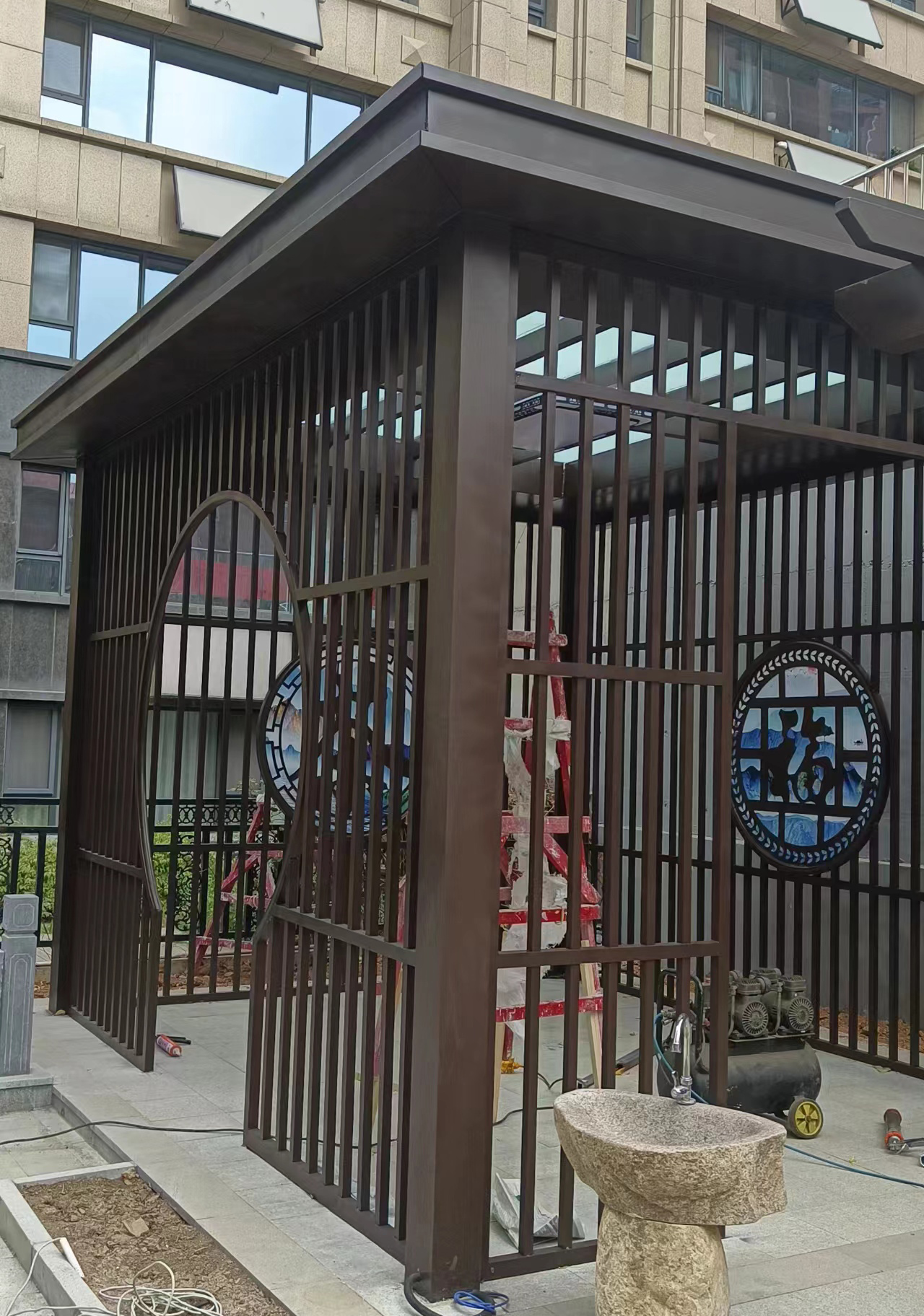
很多人覺得,鐵藝護欄安裝只要把立柱固定住就行,忽略了這些小細節(jié),結果裝完后頻繁出現(xiàn)晃動,后期還要返工,既費時間又費成本。其實,鐵藝護欄的牢固性,七分靠安裝,三分靠質量。只要記住“先填水泥、再放立柱”這個關鍵細節(jié),再配合規(guī)范的操作,就能徹底解決護欄晃動的難題,不管是2.4米高的護欄,還是普通高度的護欄,都能裝得牢固又安全。
Many people think that the installation of wrought iron guardrails only requires fixing the columns, ignoring these small details. As a result, frequent shaking occurs after installation, and rework is required later, which is both time-consuming and costly. In fact, the firmness of wrought iron guardrails depends on installation in seven parts and quality in three parts. As long as you remember the key detail of "filling cement first, then placing columns", and cooperate with standardized operations, you can completely solve the problem of guardrail shaking. Whether it is a 2.4-meter-high guardrail or a normal height guardrail, they can be installed firmly and safely.
總結來說,鐵藝護欄安裝避坑的核心,就是避開“先放立柱再填水泥”的誤區(qū),掌握“先填水泥再放立柱”的正確方法,同時注意孔徑、孔深、水泥調配和立柱垂直度等細節(jié)。這樣安裝出來的鐵藝護欄,不僅不會晃動,還能延長使用壽命,真正起到防護、隔離的作用,再也不用為護欄晃動的問題費心。
In summary, the core of installing iron guardrails to avoid pitfalls is to avoid the misconception of "placing columns first and then filling cement", master the correct method of "filling cement first and then placing columns", and pay attention to details such as hole diameter, hole depth, cement mixing, and column verticality. The iron guardrail installed in this way not only does not shake, but also extends its service life, truly providing protection and isolation, and no longer having to worry about the problem of guardrail shaking.